The Old Dog 🐕
A Clipp Kaili original story
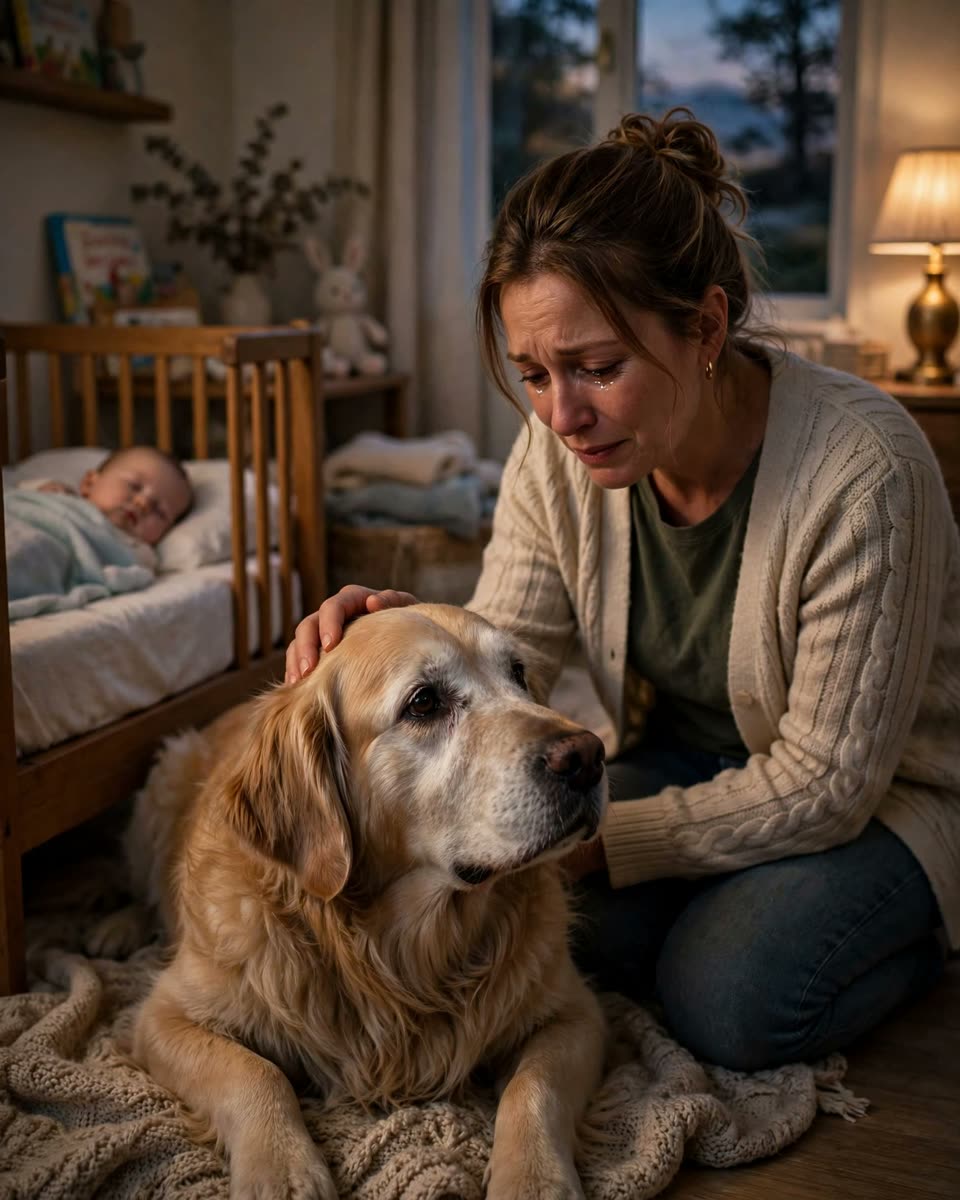
The dog waited by the door for 214 days. My father had been gone 214 days.
Buster was fourteen, a golden retriever with a gray muzzle and hips that didn't work like they used to. He'd been Dad's dog — really Dad's, the way some dogs just choose one person out of the whole world and decide: you. You're mine.
Dad got him as a puppy the year he retired from the hardware store. "A man needs a coworker," he'd said, and Buster went with him everywhere — the store, the park, the porch. When Dad napped in his recliner, Buster slept on his feet. When Dad worked in the yard, Buster supervised from the shade, head on paws, deeply professional.
Every evening at 6 p.m., Dad came home. Every evening at 5:55, Buster would walk to the front door and sit. He'd wait, ears up, tail sweeping the floor. When Dad's truck pulled into the driveway, Buster's whole body would wag — not just the tail, the whole dog, like joy was too big for one body part.
After the funeral, Buster kept waiting.
5:55 p.m. Every day. He'd get up — slower now, the hips — and walk to the door, and sit. And stare. And wait.
At first we thought it would stop. A week, the vet said. A month, tops. Dogs adjust.
Buster didn't adjust.
My mother couldn't watch it. She started taking her evening walk at 5:45, every single day, rain or shine, just to not be there when he took his post. My brother stopped coming for Sunday dinner — "It's too much," he admitted once, ashamed. "That dog, sitting there, believing. I can't do it."
On day 100, I sat down next to him on the cold tile. "He's not coming, buddy," I whispered, scratching behind his ears the way Dad used to. Buster looked at me — those deep brown eyes — then looked back at the door. Like he felt sorry for me for not understanding.
On day 200, the vet listened to his heart and got quiet. "It's getting weak," she said gently. "Prepare yourselves. And — keep him comfortable. Keep his routine."
His routine. The door. 5:55.
On day 214, something changed. But not the way we expected.
My sister had just had a baby — a girl, Emma, six weeks old, all fists and yawns. She brought her over that afternoon, and the house filled up with noise and bottles and that new-baby smell that makes everything feel possible again. Buster sniffed the baby's blanket, wagged once, politely, and went back to his spot by the window.
At 5:55, he got up. Walked to the door. Sat down.
We all watched from the living room, quiet. Mom started crying — again, still. My sister held Emma tighter.
Then, at 6:15 — twenty minutes past the hour, twenty minutes past hope — Buster did something he hadn't done in 214 days.
He stood up. He walked away from the door.
He walked straight down the hall, nails clicking on the hardwood, past the family photos, past Dad's recliner — to the nursery. To Emma's crib.
He lay down beside it, rested his gray muzzle on his paws, sighed the deepest sigh I'd ever heard from any living thing — and for the first time in 214 days, he closed his eyes and slept.
We didn't move. Nobody breathed. The only sound was Emma's soft baby snuffling and the tick of the hallway clock.
Mom whispered, "He's guarding her."
And that's what it was. From that day on, Buster had a new job — and you could see it in the way he carried himself, a little straighter, a little prouder. He slept by Emma's crib every night. When she cried, he'd lift his head and nudge my sister's hand with his nose, like: your turn. When she napped, he lay across the doorway like a furry little sentry, daring the world to try anything.
The vet was amazed at his next checkup. "His heart sounds stronger," she said, shaking her head. "Sometimes they just need a purpose. Someone to wait FOR, instead of someone to wait on."
Buster lived four more months. Four good months. He got to see Emma smile her first real smile — right at him. He got to feel her tiny hand grab his ear — gently, the way my sister taught her, "gentle, Emma, gentle." He got to be there for her first laugh, which sounded like hiccups and made the whole room lose it.
The night he died, he was in his spot by the crib. He just... went to sleep, and didn't wake up. Peaceful. The way he deserved. The way Dad would have wanted for him.
We buried him in the backyard, under the oak tree, next to the spot where Dad's ashes were scattered. We put Dad's old slipper in with him — the chewed-up one he'd carried around for years like a trophy. My father would have liked that. He'd have said Buster finally got to deliver it in person.
At the little service — just us, standing in the grass — my mom said something I'll never forget. She was holding Emma, who was chewing on her own fist, oblivious and perfect.
"He waited 214 days for your father," Mom said, looking down at the baby. "And then one day he decided — your father would want me watching over the new one. So he stopped waiting AT the door, and started waiting WITH you instead." She looked up at us, tears running down her face, smiling. "I think that's what love does, when it can't find the person anymore. It finds a new door to sit by."
Emma is two now. She points at Buster's picture on the mantel and says "doggy," very seriously, like she's introducing him. We tell her about the bravest, most loyal dog who ever lived — the dog who waited, and waited, and then chose her.
And every evening at 5:55, I swear — I swear — I can still feel him walk past me to the door. Out of habit. Out of love. The two are the same thing, if you do them long enough.
This story is a work of fiction, written to touch hearts and bring families closer.
← Back to all stories